Learn the best way to store car tools properly to prevent rust, save time, and stay safe. This guide covers cleaning, sorting, tool boxes, car kits, and simple organization tips for every garage.
A rattle in the trunk. A missing socket when you need it most. A rusty pair of pliers that used to be shiny. We have all been there. If you love your car or just like to handle small fixes yourself, you know tools are important. But owning them is only half the battle. You also need to know how do you store car tools properly.
Good storage saves time. It saves money. It keeps your tools working for years. It also keeps you safe. A loose wrench can become a dangerous projectile in a sudden stop. This guide will walk you through the simple steps to get your garage or trunk organized. We will look at smart ideas, simple tables, and real-world tips to store car tools properly starting today.
Why You Need to Store Car Tools Properly
Let’s be honest. It is easy to just throw tools in a bucket or toss them in the trunk. We tell ourselves we will clean up later. But later comes, and the tools are banging around, getting scratched, or worse, getting lost.
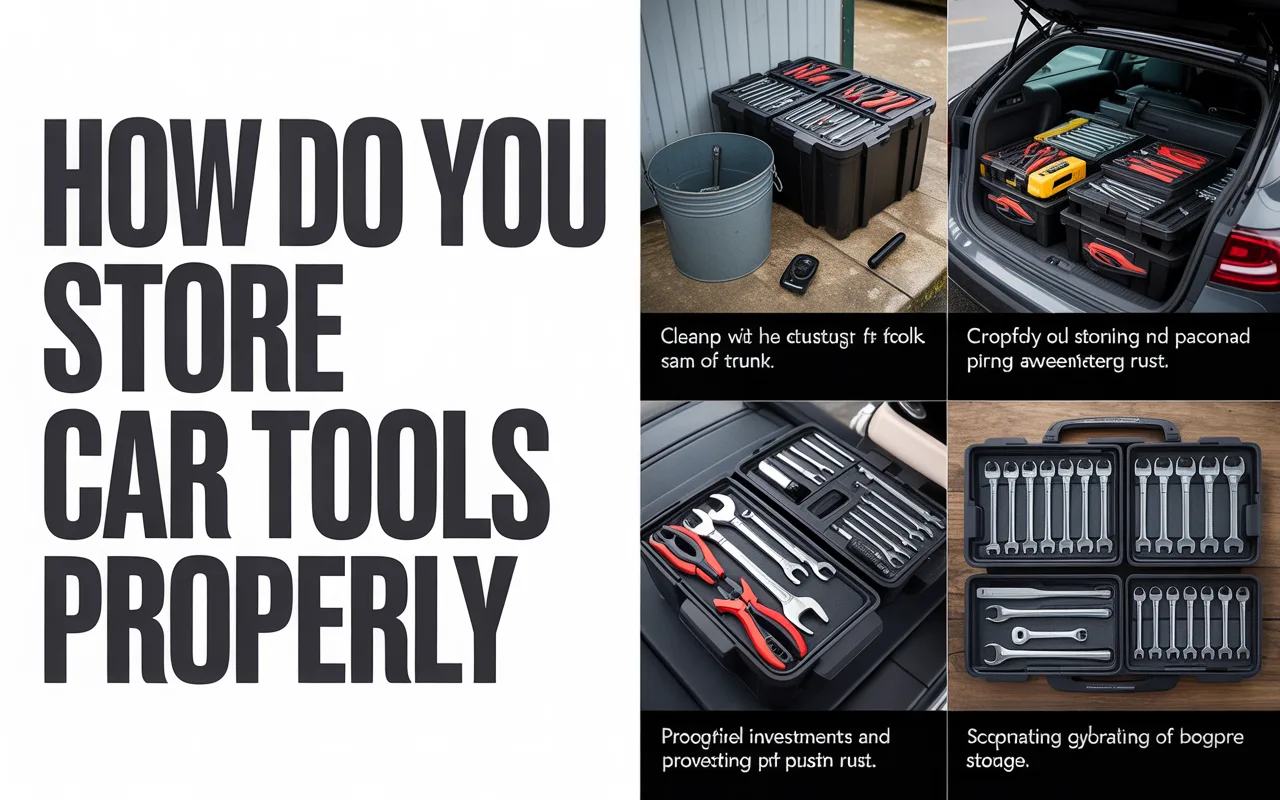
When you store car tools properly, you protect your investment. Good tools are not cheap. Moisture is the enemy. It causes rust. Rust ruins the fit of a wrench on a bolt. It makes adjustables stick. By keeping them dry and organized, they stay ready to work.
Organization also helps your brain. When you know exactly where the 10mm socket is, you do not waste time. You fix the car and move on with your day. It reduces stress. Plus, a tidy space is a safe space. No one wants to step on a jack handle in the dark.
Step 1: Clean Before You Store
Before you even think about putting tools away, you must clean them. This is a step people skip. They are in a hurry. But putting a dirty, greasy tool into a clean drawer just spreads the mess.
Wipe each tool down with a clean rag. If they are very greasy, use a little degreaser or simple soap and water. Dry them completely. Water is the fast track to rust. For extra safety, you can wipe a very light coat of oil on steel tools. This creates a barrier against moisture. It is a small habit that makes a huge difference in how long your tools last.
Step 2: Sort Your Tools by Type and Use
Now comes the thinking part. You cannot just throw everything in a box. You need a system. The best way to store car tools properly is to group them.
Hand Tools
These are your wrenches, sockets, ratchets, pliers, and screwdrivers. They are the backbone of any car work. Keep them together.
Specialty Tools
These are for specific jobs. Think brake caliper tools, oil filter wrenches, or timing light kits. They do not get used every day, so they can go in a secondary spot.
Fluids and Chemicals
Oil, coolant, brake cleaner, and degreaser. These must be stored upright in a plastic bin. They can leak. Never store them above your head or near food items.
Floor Jacks and Stands
These are big and heavy. They need a dedicated corner. Make sure they are clean and the moving parts are lightly oiled before storage.
Choosing the Right Storage System
You have many choices. What works for one person might not work for another. It depends on your space and your budget.
Tool Boxes and Chests
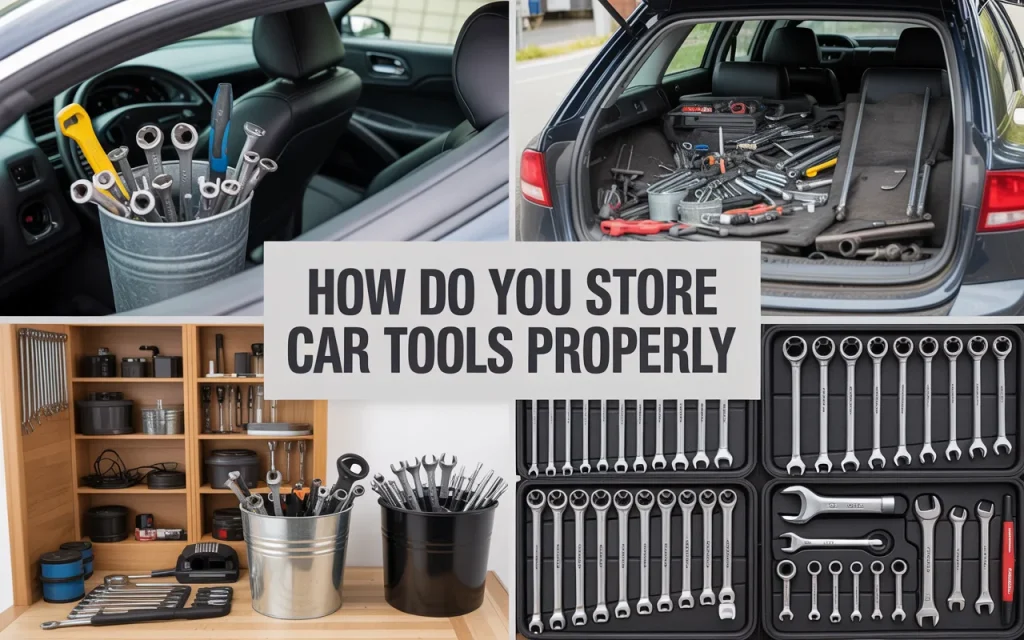
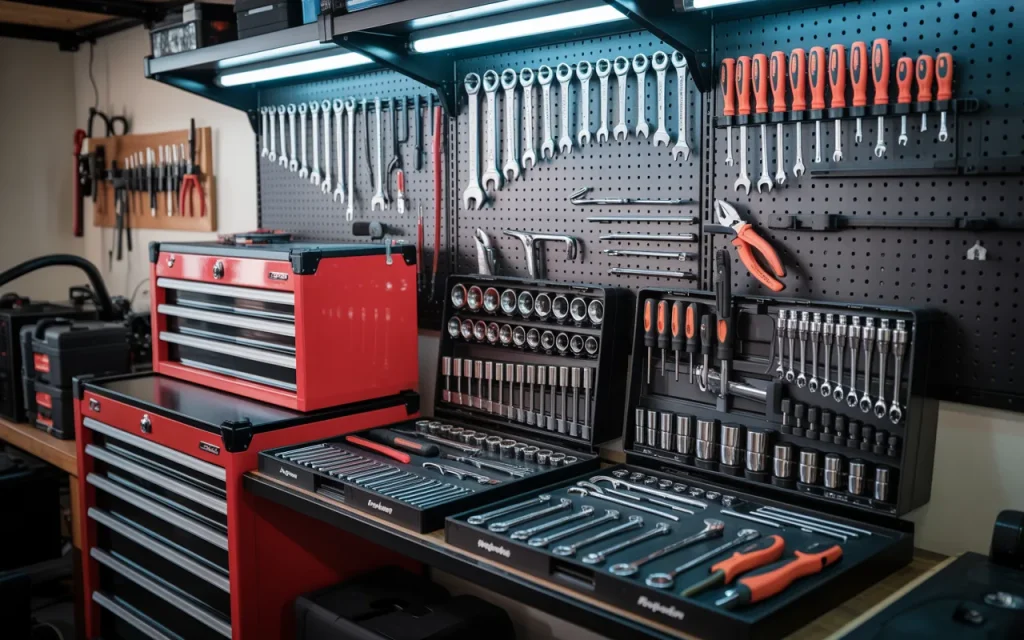
This is the classic choice. A good tool chest has drawers of different sizes. Deep drawers for power tools. Shallow drawers for screwdrivers and sockets. Metal is better than plastic for heavy tools. It lasts longer and supports more weight.
Table: Tool Box Types Compared
Type
Best For
Pros
Cons
Portable Tool Box
Small kits, emergency trunk storage
Easy to carry, cheap
Limited space, tools pile up
Tool Chest / Cabinet
Garage workshop, large collections
Lots of drawers, organized, secure
Heavy, expensive, takes floor space
Tool Bag
Mechanics on the go, mobile repairs
Flexible, lightweight
Tools can shift, less protection
Pegboards and Wall Panels
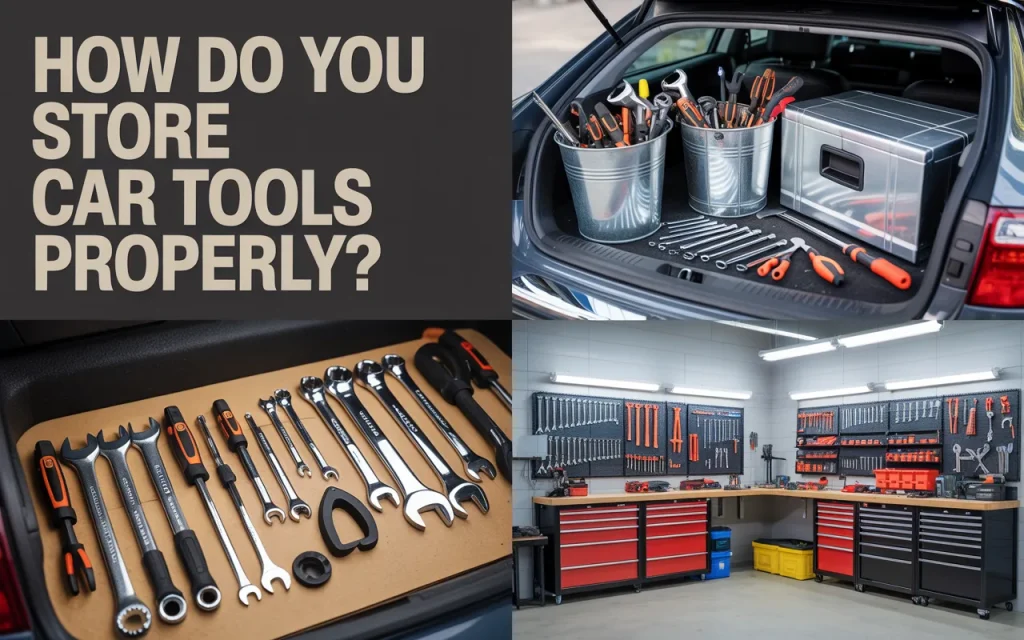
These are fantastic for tools you use all the time. Hang your most-used wrenches, hammers, and pliers on the wall. You can see them instantly. It saves drawer space. Just make sure the wall mount is secure. You do not want it falling down.
Foam Organizers
This is a pro-level trick. You cut foam to fit your drawer. Then you trace your tools and cut out the shapes. The tools sit in the cutouts. You can see immediately if something is missing. It protects the tools from banging together. It looks clean and works great.
Section: Storing Tools in Your Car or Truck
Many of us keep a basic set of tools in the vehicle. This is smart for roadside emergencies. But the car is a harsh place. It gets hot. It gets cold. It gets humid.
How do you store car tools properly in a car? You need a different approach.
First, get a dedicated bag or small box. A plastic box with a latch works well. It keeps things contained. Wrap individual tools or put them in smaller pouches inside the main bag. This stops the rattling noise.
Second, think about security. Do not leave expensive tools visible on the seat. Lock them in the trunk or under a seat cover. A visible toolbox is a target for thieves.
Third, check them twice a year. Car temps change. Moisture can build up. Open your car kit in the spring and fall. Wipe everything down. Make sure nothing has rusted. Replace anything you used.
“The difference between a good roadside experience and a bad one is often just a clean, dry pair of pliers. Keep your car kit simple and check it when you check your spare tire pressure.” — Mark Henderson, Auto Shop Teacher and DIY Blogger
Protecting Your Tools from Rust and Damage
Rust is the silent killer of tools. It does not happen overnight. It happens slowly. You open a drawer one day and see orange spots on your favorite wrench. It is frustrating.
To store car tools properly, you must control moisture. If your garage is damp, think about a dehumidifier. It pulls water out of the air. For your tool chest, you can use silica gel packs. You know, those little packets that come in shoe boxes. Save them and toss a few in each drawer. They absorb moisture.
Another tip is to avoid storing tools directly on concrete floors. Concrete sweats. It releases moisture. If you put a tool box directly on the concrete, the bottom drawer can get damp. Put a piece of wood or a plastic mat under the chest.
Organizing by Frequency of Use
This is a simple rule that makes life easy. Put the tools you use most in the easiest spot.
Top Drawer (Easy Access):
Ratchets and socket sets
Most common screwdrivers
Pliers you grab daily
Your go-to wrench set
Middle Drawers:
Less common sizes of wrenches
Hex keys (Allen wrenches)
Pry bars
Hammers
Bottom Drawers / Back of Cabinet:
Specialty tools (ball joint separators, pullers)
Tools for specific car models
Infrequently used items
Power tools in cases
This layout means you are not digging through a deep drawer for a flathead screwdriver. It is right on top.
Table: Quick Organization Checklist
Task
Why It Helps
How Often
Wipe tools clean
Removes grease and dirt that trap moisture
After every use
Check for rust
Catch problems early before they spread
Every 3 months
Organize drawers
Keep your system working
Every 6 months
Oil moving parts
Keeps ratchets and pliers working smoothly
Once a year
Using Trays and Dividers Inside Drawers
Drawers can become junk drawers if you are not careful. You open the drawer and see a pile of metal. You have to dig to find what you want. Dividers solve this.
You can buy plastic dividers at hardware stores. They snap into place and create grids. You can also use small plastic trays or even cleaned-out food containers. Use them to separate screwdrivers from punches. Separate sockets by drive size (1/4-inch, 3/8-inch, 1/2-inch).
This system makes sense. It keeps things from sliding around when you open and close the drawer. It keeps the weight distributed evenly. It protects the tools from dinging each other.
Labeling and Inventory
This sounds like too much work. But it really helps, especially if you have a lot of tools. You do not need a fancy label maker (though they are fun). You can use masking tape and a marker.
Label the outside of the drawer. “Sockets – SAE” or “Pliers – Slip Joint & Locking”. When you are in a hurry, you do not have to guess. You pull the right drawer the first time.
For your emergency car kit, make a simple list. Tape it to the inside of the lid. List what should be in there. When you use something, you can mark it on the list. Later, you know what needs to go back in. It is a simple way to store car tools properly and keep them ready.
Safety First: Storing Heavy and Dangerous Items
Some car tools are heavy or sharp. Floor jacks, jack stands, and large breaker bars need special thought. Never stack heavy items loosely in a corner. They can fall over.
Store floor jacks with the handle down. Make sure the release valve is closed so it does not slowly lower on its own. Jack stands should be kept clean and dry. Check the locking mechanisms before putting them away. If they are rusty or stuck, fix them or replace them.
Keep sharp tools like chisels and picks in a protective roll or with guards on the tips. You do not want to reach into a drawer and get cut.
“I have seen too many people reach into a drawer and get a nasty cut from a forgotten sharp edge. A few minutes of organizing with safety in mind saves a lot of bandages.” — Linda Garcia, Emergency Room Nurse and Home Mechanic
Maintaining Your Storage System
Organizing is not a one-time job. It is a habit. Tools get used. They get moved. They get borrowed. The system gets messy.
Set a reminder. Maybe once every few months, spend 15 minutes on your toolbox. Open each drawer. Wipe things down. Put things back where they belong. Tighten any loose screws on the box itself. Oil the drawer slides if they are squeaky.
This maintenance keeps your system working. It also gives you a chance to notice if a tool is missing or broken. You can replace it before you really need it for a job.
Frequently Asked Questions
What is the best way to store car tools to prevent rust? Keep them clean and dry. Wipe off grease and dirt after each use. Store them in a dry place, not on a concrete floor. Use silica gel packs in drawers to absorb moisture. A light coat of oil on metal surfaces also helps stop rust.
Can I store my tools in a plastic bin? Yes, plastic bins are good for many tools. They are great for emergency car kits and for storing fluids. But for hand tools you use a lot, a tool chest with drawers is better. It keeps things organized and easy to find. A plastic bin can become a messy pile.
How do you store car tools properly in a small apartment? Space is tight. Use wall space. Install a small pegboard. Use a portable tool box that can slide under a bed or in a closet. Magnetic strips on the wall can hold screwdrivers and small wrenches. Focus on a multi-bit screwdriver to save space.
Should I take my tools out of the car in the winter? It is a good idea. Extreme cold and temperature changes can cause moisture. If you have valuable tools, bring them inside for the winter. Keep a basic, cheaper set in the car for emergencies. Check them in the spring.
How often should I clean my tool storage area? A quick wipe-down after every use is best. A deeper clean and re-organization every 3 to 6 months keeps things in good shape. It only takes a few minutes and keeps your tools ready to work.
“A place for everything and everything in its place is not just a saying. It is the golden rule of any workshop. It saves your tools, your time, and your temper.” — Robert “Bob” Ellis, Retired Master Mechanic
Conclusion
Knowing how do you store car tools properly is a simple skill with big rewards. It starts with cleaning. It continues with sorting. It finishes with a good storage system that fits your space. Whether you have a big garage toolbox or a small plastic bin in your trunk, the rules are the same. Keep things dry, keep them sorted, and keep them safe.
Take a look at your tools today. Are they a mess? Spend 20 minutes. Wipe them down. Put them in groups. Find a home for each one. You will feel better. Next time you need to fix something, you will find the right tool fast. Your tools will last longer. And you will wonder why you did not do it sooner. Start now and store car tools properly for good.
Explore our 2026 torque wrench reviews to find the right tool for your automotive, bike, or gunsmithing projects. Compare top models for accuracy and value. Finding…
Discover the top automotive tools for beginners in 2026. Compare essential pry kits, wrench sets, and repair gear to start your DIY car maintenance journey. Starting…

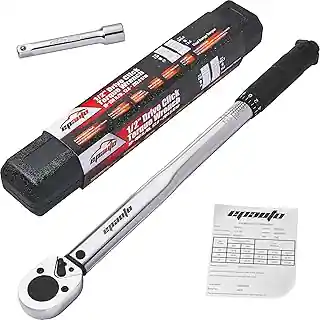 2026 Torque Wrench Reviews: Choosing the Right Tool for Precision Fastening
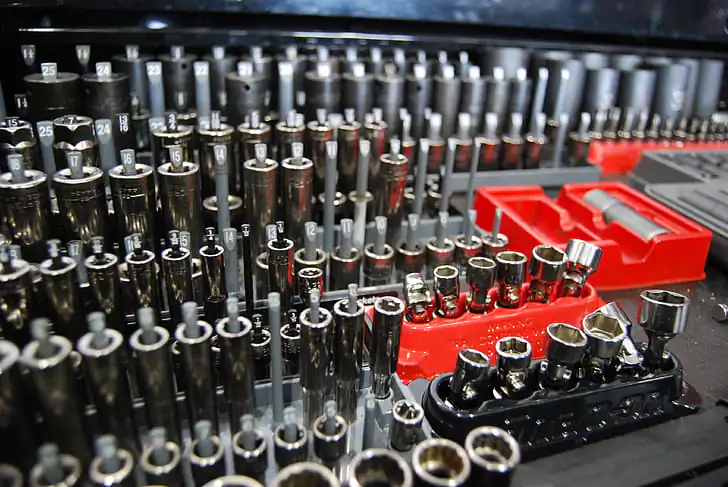 Top Automotive Tools for Beginners: Essential Gear for 2026
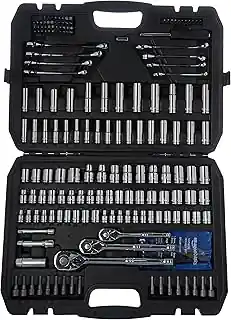 Top Rated Mechanic Tool Brands for 2026