
How Do You Fix a Slow Tire Leak
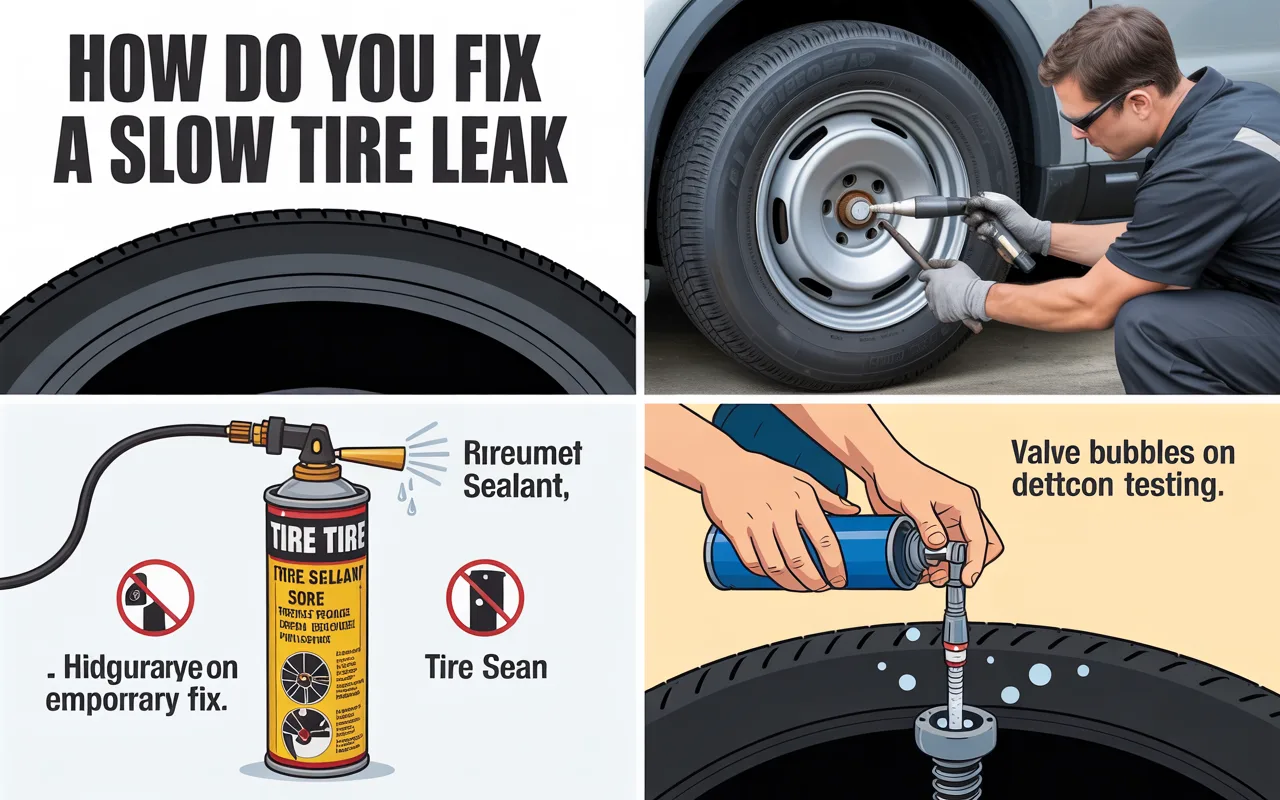
Learn how to fix a slow tire leak for good. Our direct guide shows you how to find the source, choose the right repair, and get back on the road safely. Discover the reliable steps you need to fix a slow tire leak permanently and ensure your safety.
You step out to your car in the morning and there it is. That same tire looks a little soft again. You filled it up just last week, but now it needs more air. This is the classic sign of a slow tire leak. It is not a flat that leaves you stranded, but it is a steady nuisance that can become a real safety problem if ignored. I have been there, and I know how annoying it can be. But more than that, I know that fixing it yourself is often very simple. Let us talk about how you can find the cause and fix a slow tire leak for good.
What is a Slow Tire Leak?
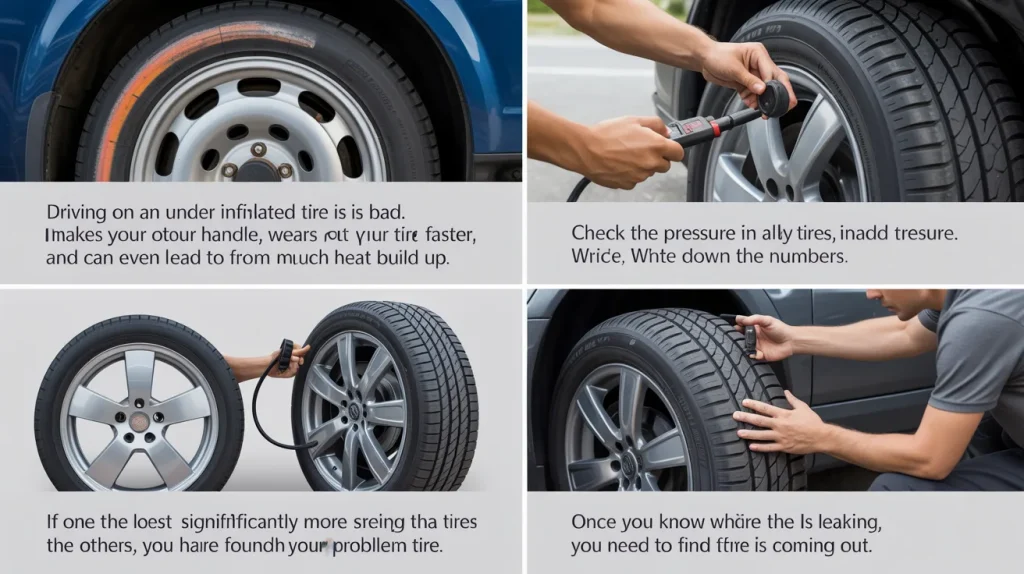
A slow tire leak is just what it sounds like. Air escapes from your tire over hours or days, not minutes. You might lose a few pounds of pressure each week. It is slow enough that you might not notice right away, but fast enough to be a constant worry. Driving on an under inflated tire is bad. It makes your car harder to handle, wears out your tire faster, and can even lead to a blowout from too much heat build up. Finding and fixing the issue is important for your wallet and your safety.
First Step: Confirm the Leak
Before you do anything else, make sure you really have a leak. Tires naturally lose about 1 to 3 PSI per month. Changes in outside temperature can also make pressure go up and down. Get a good tire pressure gauge. Check the pressure in all your tires, including the spare. Write down the numbers. Then, check them again after two or three days. If one tire has lost significantly more air than the others, you have found your problem tire.
Finding the Source of the Leak
Once you know which tire is leaking, you need to find where the air is coming out. There are three main places to check: the tread, the valve stem, and the wheel rim.
1. The Visual and Soapy Water Test
This is the best way to find a leak. You will need a spray bottle, water, and some dish soap.
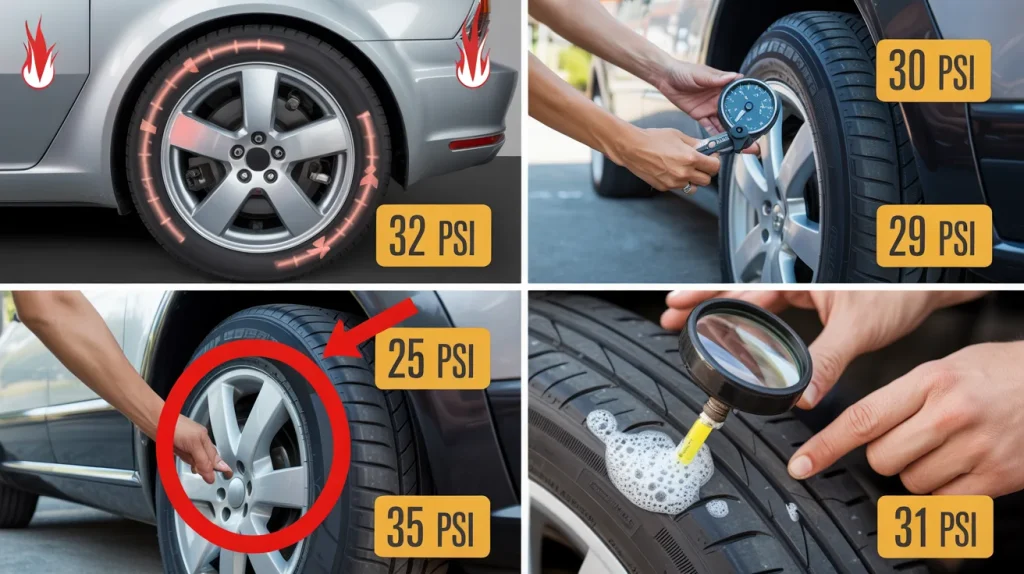
- Mix a good amount of dish soap with water in the spray bottle.
- Remove the wheel from the car if you can. If not, just make sure the car is safely parked.
- Spray the soapy water all over the tire. Cover the whole tread, the sidewall, the valve stem (that little piece where you put air in), and where the tire meets the metal wheel.
- Look closely for tiny bubbles. Wherever air is leaking, a cluster of small bubbles will form.
| Common Leak Location | What to Look For |
|---|---|
| Tread Puncture | Bubbles from a nail, screw, or small hole. |
| Valve Stem | Bubbles around the base or from the valve cap. |
| Rim/Junction Leak | Bubbles along the edge where tire meets wheel. |
2. Check the Valve Stem
The valve stem is a common culprit. Spray it with soapy water. If it bubbles at the base, the valve core might be loose. Try tightening it with a valve core tool, which is cheap from any auto store. If it bubbles from the stem itself, it is damaged and needs replacement. Also, check the valve cap. A missing or cracked cap can let in dirt and moisture that causes a slow leak.
3. Inspect the Wheel Rim
If the leak is at the rim, the problem is where the tire seals against the metal. Causes can be rust on steel wheels, bent rim edges from hitting a curb, or just dirt and corrosion. You will see bubbles along the rim edge during the soap test. Fixing this often needs a professional tire machine to break the seal and clean the area.
“The bitterness of poor quality remains long after the sweetness of low price is forgotten.” – Benjamin Franklin
This old saying rings true with tires. A cheap repair might save a few dollars now, but doing the job right keeps you safe for thousands of miles.
How to Fix a Slow Tire Leak
The right fix depends on what you found. Here is a breakdown.
For a Simple Tread Puncture
If you found a nail or screw in the tread (the center part of the tire that touches the road), you are in luck. This is often an easy fix.
- Do Not Remove the Object Yet! If you pull it out, the air will escape fast and you will be stuck with a flat.
- Use a Tire Repair Kit. You can buy a plug kit for a few dollars. It has a tool and sticky rubber strips. You rough up the hole, put the sticky strip on the tool, push it into the puncture, and pull the tool out. The strip seals the hole from the inside. This is a common temporary fix.
- Get a Professional Patch/Plug. For a safe, permanent repair, go to a tire shop. They will take the tire off the wheel. They clean the injury from the inside and apply a patch that bonds with the rubber. This is the best way to fix a slow tire leak from a puncture. The Tire Industry Association says a proper repair must seal the inner liner and fill the injury channel.
For a Valve Stem Leak
If the soap test showed bubbles at the valve:
- Tighten the Valve Core. Use a valve core tool. Turn it clockwise a little bit. Spray again to see if the bubbles stop.
- Replace the Valve Core. Unscrew the old core with the tool and screw in a new one. They cost pennies.
- Replace the Whole Valve Stem. If the stem body is cracked, a new stem must be installed. This requires removing the tire, so a shop should do it.
For a Rim/Junction Leak
This is harder to fix at home. The tire must be taken off the wheel.
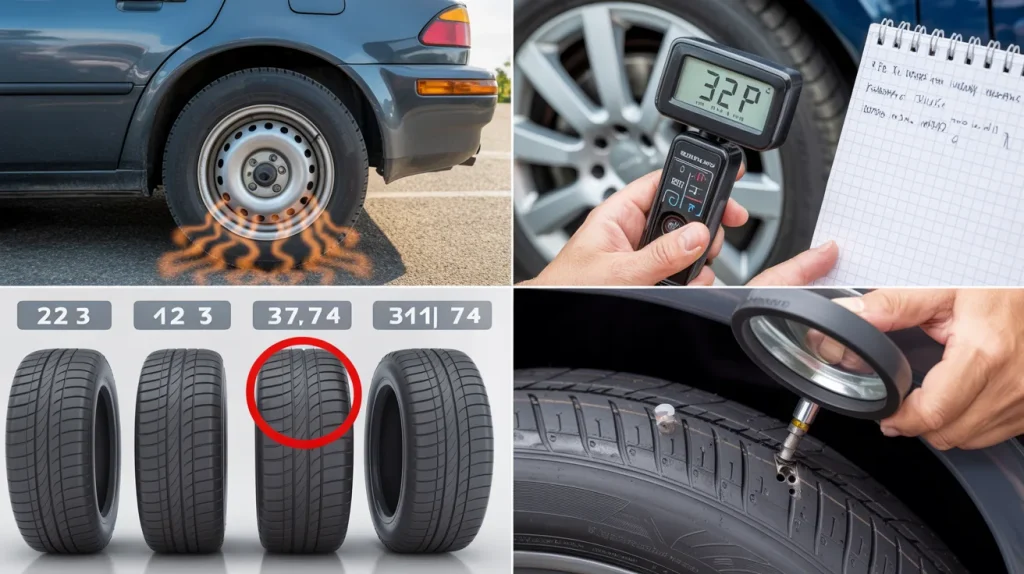
- A tire technician will clean the wheel’s bead seat area. They remove all rust, dirt, and old sealant.
- They may apply a special bead sealer.
- Then they remount the tire, which ensures a perfect seal. If the wheel is bent, it may need to be repaired or replaced.
When You Should Not Try to Fix It
Some leaks mean the tire is not safe to repair. Do not try to fix a slow tire leak if:
- The puncture is in the sidewall (the curved part of the tire).
- The puncture is too large (bigger than 1/4 inch).
- The tire is very worn or damaged internally.
In these cases, you need a new tire. Your safety is worth more than the cost of a repair.
| Situation | Recommended Action |
|---|---|
| Puncture in tread center | Professional patch/plug repair. |
| Puncture in sidewall | Replace the tire. |
| Leaking valve stem | Replace core or stem. |
| Leak at rusty rim | Professional cleaning and sealing. |
Preventing Future Slow Leaks
A little care can stop most leaks before they start.
- Check tire pressure monthly. Use your own gauge when tires are cold.
- Keep valve caps on. They keep out dirt and moisture.
- Avoid potholes and curbs. Hitting them hard can bend rims and damage tires.
- Clean your wheels. Wash off road salt and brake dust to prevent rim corrosion.
- Get regular tire rotations and inspections. A pro can spot small problems early.
“An ounce of prevention is worth a pound of cure.” – Benjamin Franklin
Old Ben was right again. Taking five minutes each month to check your tire pressure can save you from a big headache later.
Frequently Asked Questions
Can I use a tire sealant to fix a slow tire leak?
Aerosol tire sealants from a can are meant as a short term emergency fix to get you to a repair shop. They can clog your tire pressure sensors and make a proper repair harder for the technician. They are not a permanent solution.
How long can I drive with a slow leak?
You should not drive on it at all once you know it is leaking. Add air to the correct pressure and drive directly to a repair shop. Driving on low pressure damages the tire and is unsafe.
Is it safe to plug a tire myself?
A plug from a DIY kit can work, but it is not considered a complete, long term repair by tire makers. It is better than nothing in a pinch, but for peace of mind and safety, a professional patch applied from the inside is the right way to fix a slow tire leak.
How much does it cost to fix a slow tire leak at a shop?
A professional patch repair usually costs between 20 and 40 dollars. It is a very affordable service for the safety and convenience it provides.
Why does my tire keep losing air when there is no hole?
The most likely cause is a leak at the rim. Corrosion, a bent edge, or a poor seal can let air seep out slowly. This will not show a hole, but the soapy water test will reveal bubbles at the wheel edge.
Conclusion
A slow tire leak is a common problem, but it does not have to be a mystery or a constant frustration. With a simple bottle of soapy water, you can find the leak. Once you know the source, you can decide on the best fix. Often, a trip to a trusted tire shop for a proper patch is the smartest and safest choice. Remember, your tires are the only part of your car that touches the road. Keeping them in good shape is a key part of safe driving. Do not let a slow leak drag you down. Take the time to find it and fix it right. You will save money on gas and tire wear, and most importantly, you will keep yourself and your passengers safe.
“Quality is never an accident; it is always the result of intelligent effort.” – John Ruskin
Fixing a tire properly takes a little effort. But that intelligent effort gives you the quality result you need: a safe, reliable car ready for your next trip.
Related posts
 Best Wire Crimping Tool for Automotive Wiring in 2026
Find the best wire crimping tool for automotive wiring. We compare five top-rated hand tools to help you choose the right fit for your vehicle projects.…
 Best Budget Automotive Tools for 2026 DIY Maintenance
Discover the best budget automotive tools for 2026. We compare essential diagnostic scanners, trim kits, and pliers to help you save on car repairs. Maintaining your…
 Best Automotive Work Light Options for 2026
Find the best automotive work light for your garage or roadside repairs. We compare top-rated hands-free, magnetic, and heavy-duty lighting solutions for 2026. Finding the best…