
Which Shampoo Is Best For Women
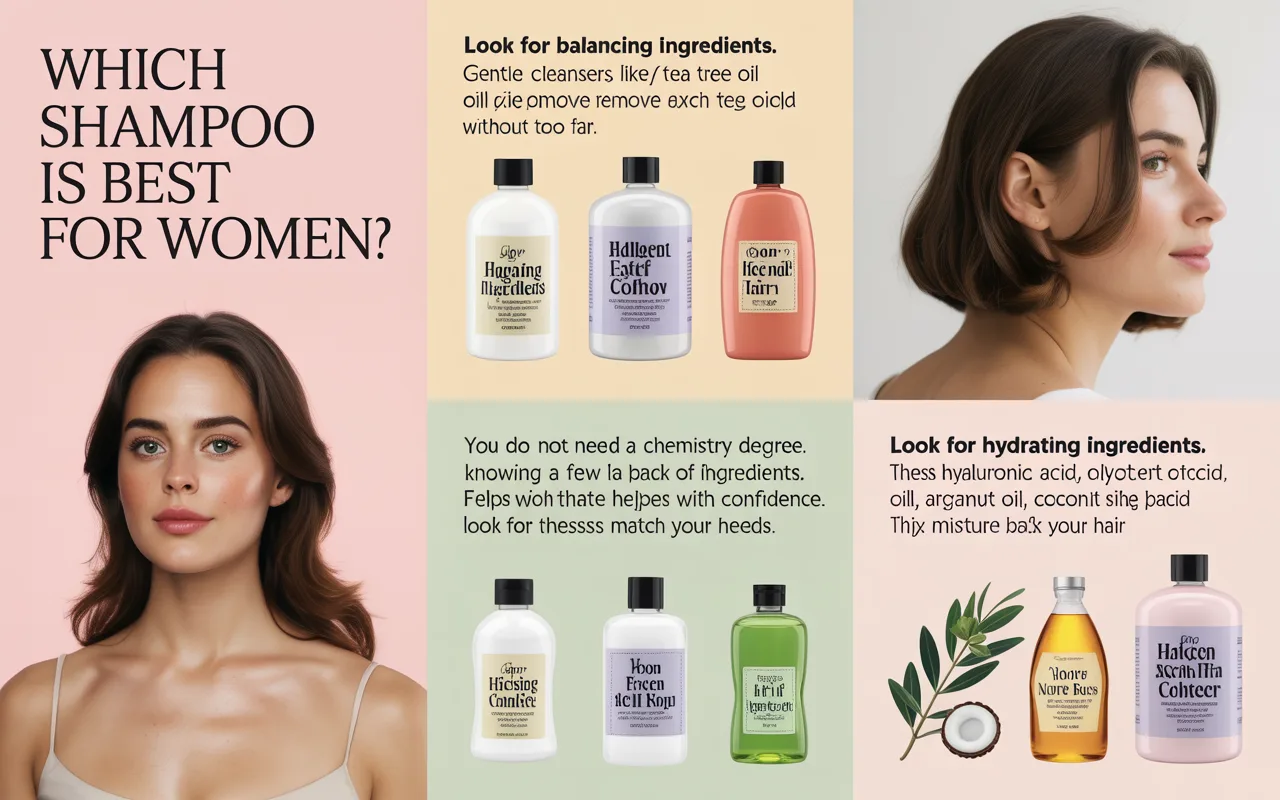
To find which shampoo is best for women, start with your own hair. The best one fixes your specific hair needs, like dryness, oil, or damage. This guide helps you match your hair type to the right shampoo.
Hello there. If you are reading this, you are probably standing in a store aisle, looking at a wall of shampoo bottles. Or maybe you are at home, tired of buying shampoos that do not work. You just want a simple answer. You want to know which shampoo is best for women. I have been there too. My name is Sarah, and I have worked in hair care for over ten years. I have talked to hundreds of women about their hair struggles. Let me tell you, the answer is not one magic bottle. It is about finding your bottle. This guide will walk you through it in plain language. We will talk about hair types, ingredients, and how to make a smart choice. By the end, you will know exactly what to look for. You will feel good about your next shampoo buy.
Why One Shampoo Cannot Work for Everyone
Think about it like shoes. You would not buy the same pair of shoes for running a marathon, going to the beach, and attending a wedding. Your hair has different needs too. Your best friend might swear by a shampoo that makes your hair feel like straw. That is normal. Hair is as unique as you are. It changes with the weather, your diet, your age, and even the water in your shower. So, asking which shampoo is best for women is a great starting point. But the real question is, which shampoo is best for your hair right now? The goal is healthy hair and a happy scalp. When those two things are in balance, your hair looks its best. Let us figure out your starting point.
First, Know Your Hair and Scalp
This is the most important step. Spend a minute thinking about your hair. How does it behave? How does your scalp feel? Here is a simple way to check.
What Is Your Hair Texture?
Hair texture is about the width of a single strand. You can test this. Take one strand of clean hair. Roll it between your fingers. If you can barely feel it, you have fine hair. If you feel a definite strand, that is medium hair. If it feels thick and strong, you have coarse hair. Fine hair gets oily faster but can look flat. Coarse hair is stronger but can get dry and frizzy. Medium hair is in the middle, the most common type.
What Is Your Scalp Type?
Your scalp is skin. It can be oily, dry, or balanced. To check, wash your hair as you normally do. The next day, press a clean tissue against your scalp at the crown of your head. If you see oil on the tissue, you have an oily scalp. If your scalp feels tight, itchy, or has small white flakes, it is likely dry. If it feels fine and you see no oil or flakes, you have a normal, balanced scalp. Your scalp type guides your shampoo choice more than anything.
What Is Your Hair Goal?
Besides cleaning, what do you want your shampoo to do? Common goals are adding volume, controlling frizz, fixing damage from heat or color, keeping color bright, or making hair smoother. Knowing your goal helps you look for specific words on the bottle.
Trichologist David H. Kingsley says, “The scalp is the garden, the hair is the flower. You must care for the soil to grow a beautiful bloom.” This is so true. A healthy scalp is where good hair begins. Your shampoo should care for your scalp first.
Understanding Shampoo Ingredients Made Simple
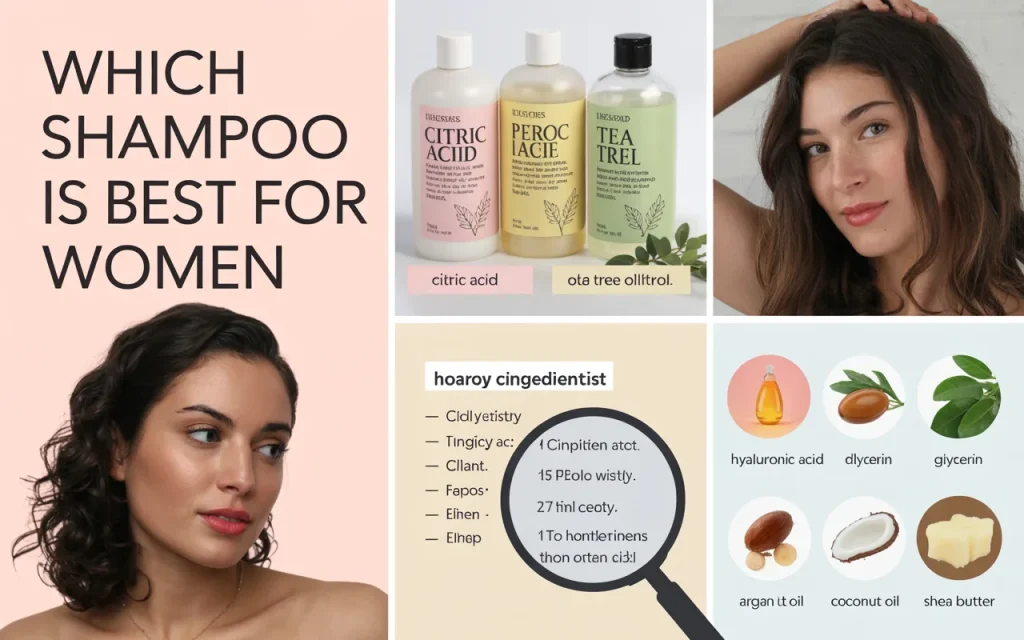
You do not need a chemistry degree. Knowing a few key ingredients helps you read the back of the bottle with confidence. Look for these helpers that match your hair needs.
Good Ingredients for Common Problems
- For Dry Hair or Scalp: Look for hydrating ingredients. These include hyaluronic acid, glycerin, and natural oils like argan oil, coconut oil, or shea butter. They add moisture back into your hair.
- For Oily Hair or Scalp: Look for balancing ingredients. Gentle cleansers like citric acid or tea tree oil can help remove excess oil without going too far.
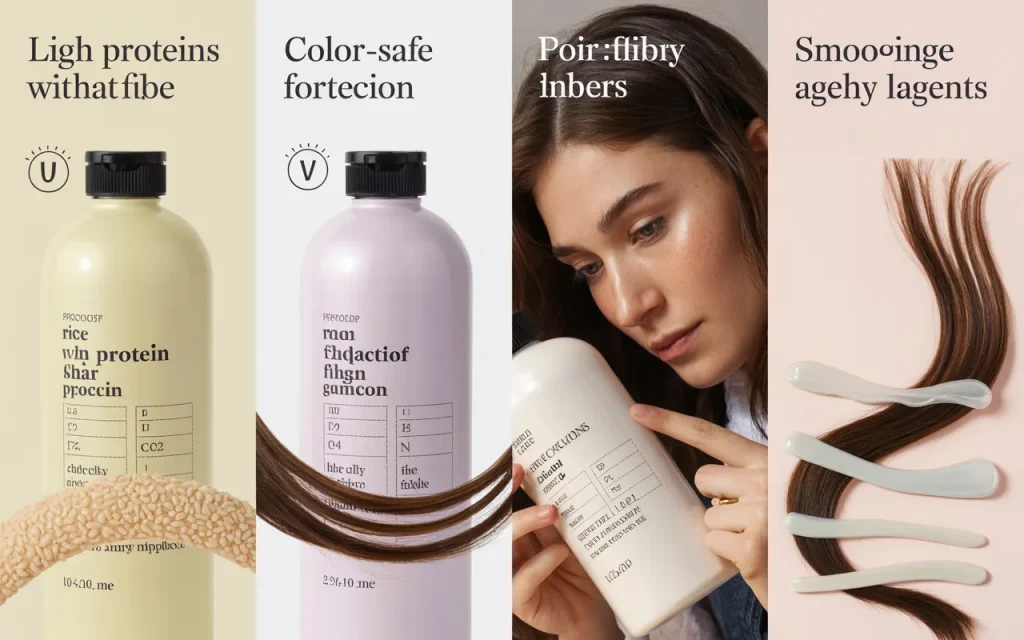
- For Fine, Flat Hair: Look for light proteins. Ingredients like rice protein or wheat protein coat the hair strand. This makes it feel a bit thicker and adds body without heavy weight.
- For Color-Treated Hair: Look for color-safe formulas. These are often free from sulfates. They might have UV filters to protect your color from the sun.
- For Frizz and Damage: Look for smoothing agents. Ingredients like keratin, panthenol, and silicone derivatives can help smooth the hair cuticle. This makes hair shiny and easier to comb.
Ingredients You Might Want to Avoid
If you have color-treated hair, avoid shampoos with sulfates like Sodium Lauryl Sulfate (SLS). They are strong cleansers that can strip color fast. If you have a sensitive scalp, try to avoid shampoos with heavy fragrances or lots of alcohol. They can sometimes cause redness or itchiness.
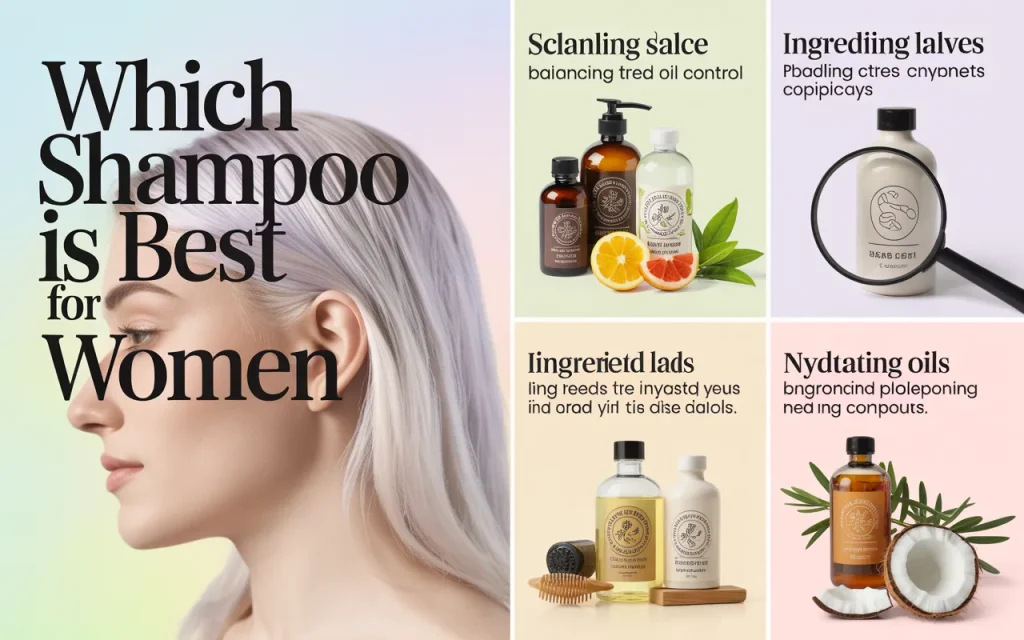
| If Your Main Hair Concern Is… | Look For These Words on the Shampoo Label |
|---|---|
| Oiliness or Greasiness | “Balancing,” “clarifying,” “oil control,” “volumizing.” |
| Dryness or Frizz | “Hydrating,” “moisturizing,” “nourishing,” “smoothing.” |
| Lack of Volume or Body | “Volumizing,” “body-building,” “lightweight,” “strengthening.” |
| Color That Fades Too Fast | “Color-safe,” “sulfate-free,” “UV protection,” “for color-treated hair.” |
| Damage or Breakage | “Repairing,” “strengthening,” “bond-building,” “keratin.” |
A Simple Step by Step Plan to Pick Your Shampoo
Now you know your hair type and some ingredients. Let us put it all together into a plan. Follow these steps next time you need shampoo.
- Look at Your Scalp. Decide if your main issue is oil, dryness, or balance. Choose a shampoo made for that scalp type first. A happy scalp means better hair growth.
- Look at Your Hair Ends. Are they dry, split, or brittle? If so, you need a shampoo with moisturizing or repairing ingredients. This will help the lengths of your hair.
- Read the Promise. The front of the bottle tells you what the shampoo does. It will say “for volume” or “for moisture.” Pick the promise that matches your main goal from the section above.
- Check the First Five Ingredients. Flip the bottle over. The first five ingredients make up most of the shampoo. See if you spot any of the good ingredients we talked about for your hair type.
- Think About Your Wash Routine. Do you wash your hair every day? If yes, pick a gentle, daily shampoo. If you wash once a week, you might need a deeper clean. If you use dry shampoo a lot, get a clarifying shampoo to use once a month to remove build-up.
- Try It For Real. Give any new shampoo at least three or four washes to see how it works. Your hair and scalp need time to adjust.
Remember, the hunt for which shampoo is best for women ends with you. Your hair is the final judge. Celebrity hairstylist Jen Atkin says, “Invest in a good shampoo and conditioner. It’s the foundation of every great hair day.” Start with a good foundation. The rest of your style will be easier.
Your Shampoo Questions, Answered
You might still have some questions. Here are clear answers to the ones I get asked all the time.
How often should I wash my hair?
There is no fixed rule. It depends on your hair and scalp. If you have an oily scalp, you might need to wash every day or every other day. If you have dry hair or curls, washing once or twice a week may be plenty. A good sign you need to wash is when your scalp feels itchy or your hair looks stringy.
Do I need to use conditioner?
Yes, almost always. Shampoo opens the hair cuticle to clean it. Conditioner seals the cuticle back down. It adds moisture, reduces static, and makes hair easy to comb. If you have very fine, oily hair, just put conditioner on the ends of your hair, not on your scalp.
What is the difference between drugstore and salon shampoo?
Often, it comes down to ingredient quality and concentration. Salon brands may have more active ingredients that target specific problems. But many drugstore brands are excellent now. Read the labels. A high price does not always mean it is the best shampoo for women with your specific hair type.
Should I switch shampoos often?
Your hair does not get “immune” to shampoo. If you find a product you love, you can stick with it. You only need to change if your hair needs change. For example, if you start coloring your hair or move to a place with hard water.
Can shampoo help my hair grow?
Shampoo does not affect the growth rate from your roots. That is inside your body. But a good shampoo can create a healthy scalp environment. It can also prevent breakage along the hair shaft. This means your hair can grow longer without splitting and breaking off at the ends.
| Shampoo Type | What It Is Good For | How Often to Use It |
|---|---|---|
| Clarifying Shampoo | Removing heavy build-up from products, hard water, or chlorine. | Once every two to four weeks. |
| Daily Use Shampoo | Gentle, regular cleaning without stripping your hair and scalp. | As often as you need, even daily. |
| Dry Shampoo | Absorbing oil at the roots to refresh your style between washes. | Between regular wash days, not as a full replacement. |
Putting It All Together for Your Best Hair
Let us wrap this up. You came here wondering which shampoo is best for women. I hope you now see it is a personal choice. It is the shampoo that makes your scalp feel clean and comfortable. It is the one that leaves your hair looking the way you like. It might be a bottle from the salon or one from the grocery store. The label is what matters, not the price tag.
Do not feel pressure to get it perfect on the first try. Many brands sell small travel sizes. This is a great way to test a shampoo without spending too much. Pay attention to how your hair feels after a few weeks. Is it softer? Is it easier to style? Does your scalp feel better? Your answers will tell you if you found a good match.
Hair care is a part of taking care of yourself. It should not be a confusing chore. Start with what you learned about your hair today. Pick one shampoo that fits your main need. Try it out. Your hair will thank you.
As beauty icon Estee Lauder once said, “Beautiful hair is the best revenge.” While I think beautiful hair is more about self-care than revenge, I understand her point. When your hair looks good, you feel good. It gives you a little boost of confidence. Finding the right shampoo for your unique hair is the first step to getting that feeling every day. You can do this. Happy washing.
Related posts
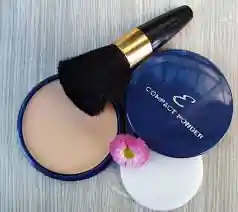 Best Compact Powder for Women: 2026 Buyer Guide
Finding the best compact powder for women in 2026. We compare top-rated matte, mineral, and lightweight pressed powders to help you choose the right finish. Finding…
 Best Casual Wear for Women: 2026 Style and Comfort Essentials
Discover the best casual wear for women in 2026. We compare top-rated trousers and versatile tops to help you build a comfortable, stylish everyday wardrobe. Finding…
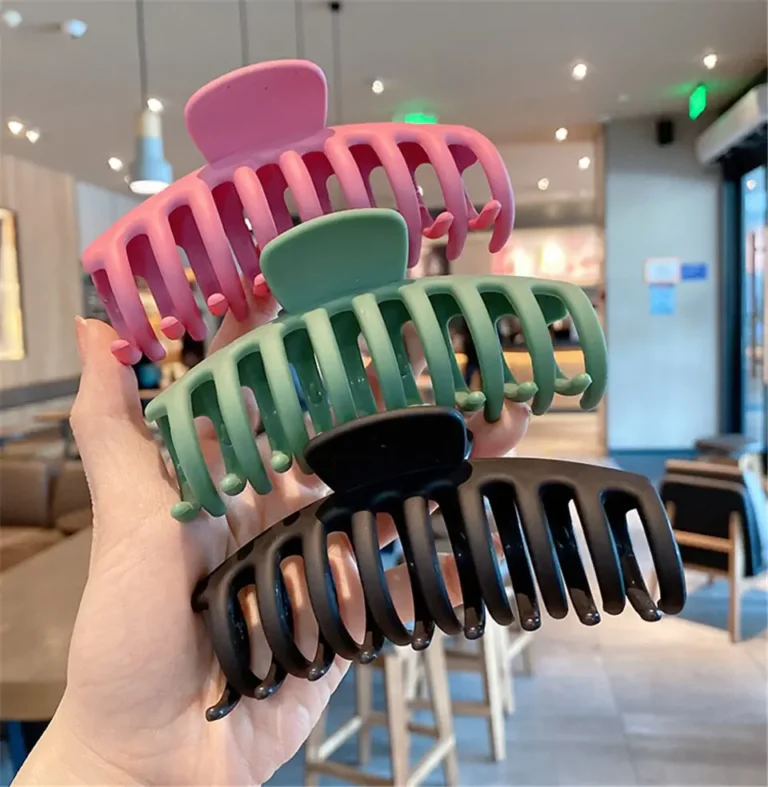 Best Claw Clips for Thick Hair in 2026
Finding the best claw clips for thick hair requires a balance of grip and size. Explore our top 2026 recommendations for secure, stylish, and reliable styling.…