
How to Remove Ticks From Dogs Safely
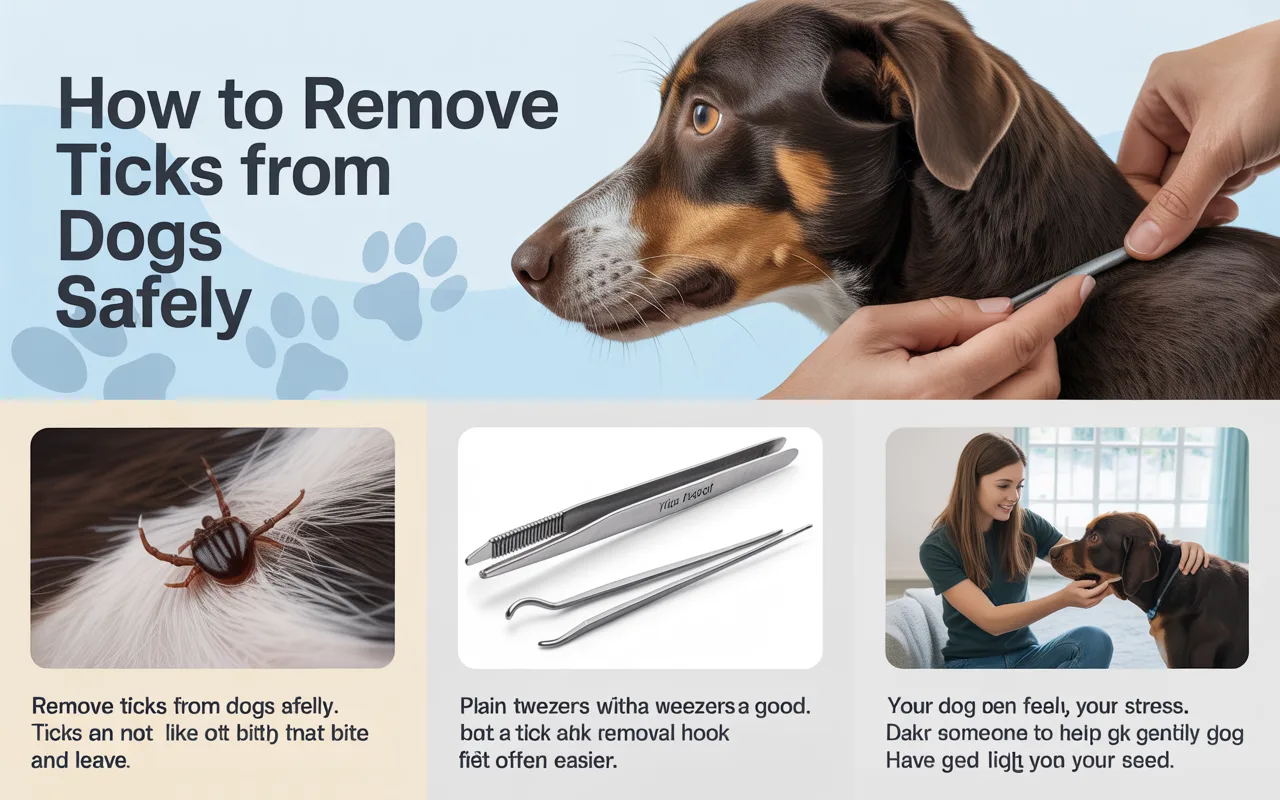
A step by step guide to remove ticks from dogs safely and prevent tick borne diseases. Learn the right tools and after care tips for your pet.
Finding a tick on your dog is a worry. Remove Ticks From Dogs Safely.These small bugs are more than a bother. They can make your pet very sick. You want to get the tick off right away. But you must do it the right way. If you pull a tick off wrong, you can leave its head stuck in your dog’s skin. This can lead to infection. A crushed tick can push bad stuff into your dog’s blood. This guide will show you how to remove ticks from dogs safely. We will cover the best tools, a simple step by step method, and what to do after. Let us help you protect your furry friend.
Why Safe Tick Removal Matters
Remove Ticks From Dogs Safely. Ticks are not like other bugs that just bite and leave. They bury their head under the skin to feed on blood for days. Diseases like Lyme disease pass from the tick to your dog during this feeding time. The way you take the tick out changes the risk.
“An ounce of prevention is worth a pound of cure.” – Benjamin Franklin
This old saying is true for ticks. Stopping ticks is best. But knowing how to Remove Ticks From Dogs Safely is your next best tool. Doing it wrong can scare you and hurt your dog. Doing it right keeps everyone calm and lowers the health risk.
What You Need: Your Tick Removal Kit
You do not need many things. Having them ready before you find a tick helps a lot. It lets you act fast and calmly.
| Item | Why You Need It |
|---|---|
| Fine Point Tweezers | Grips the tick’s head close to the skin. |
| Tick Removal Hook | A special tool to slide under the tick. |
| Rubbing Alcohol | To clean the bite area and your tools. |
| Small Container | To hold the tick for identification. |
| Treats | To reward your calm dog after. |
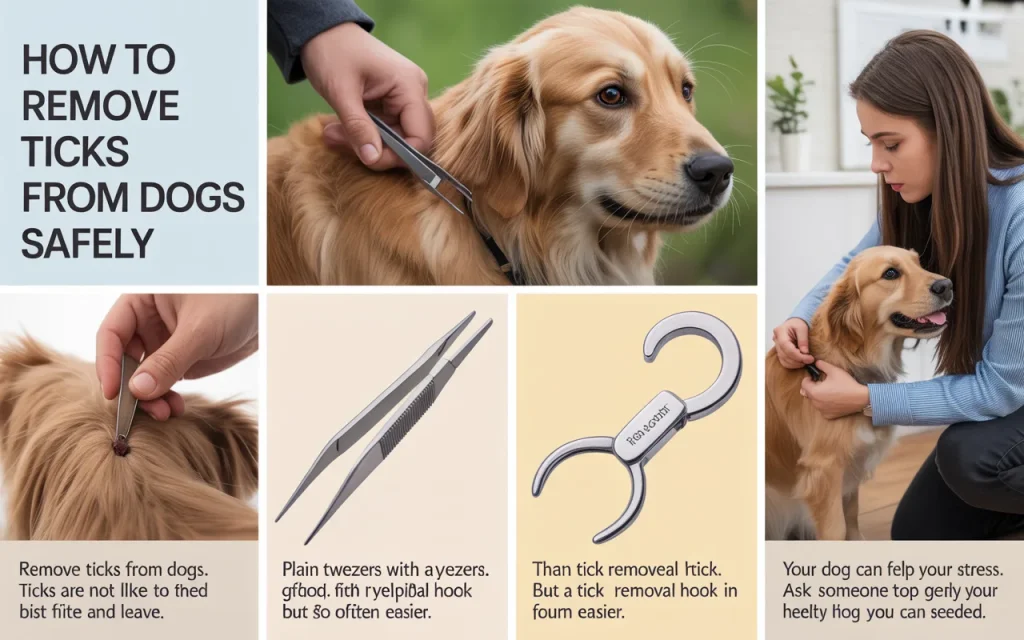
Plain tweezers with a fine point are good. But a tick removal hook is often easier. It is made for this job. It helps you lift the tick without squeezing its body. You can buy one from any pet store. Have your kit in a place you remember. Maybe with your dog’s brush or first aid items.
Step by Step: How to Remove Ticks from Dogs Safely
Now, let us go through the steps. Please read them all first. Then you will know what to do.
1. Stay Calm and Get Ready
Your dog can feel your stress. Take a deep breath. Get your removal kit. Ask someone to help gently hold your dog if needed. Have good light so you can see.
2. Part the Fur and Locate the Tick
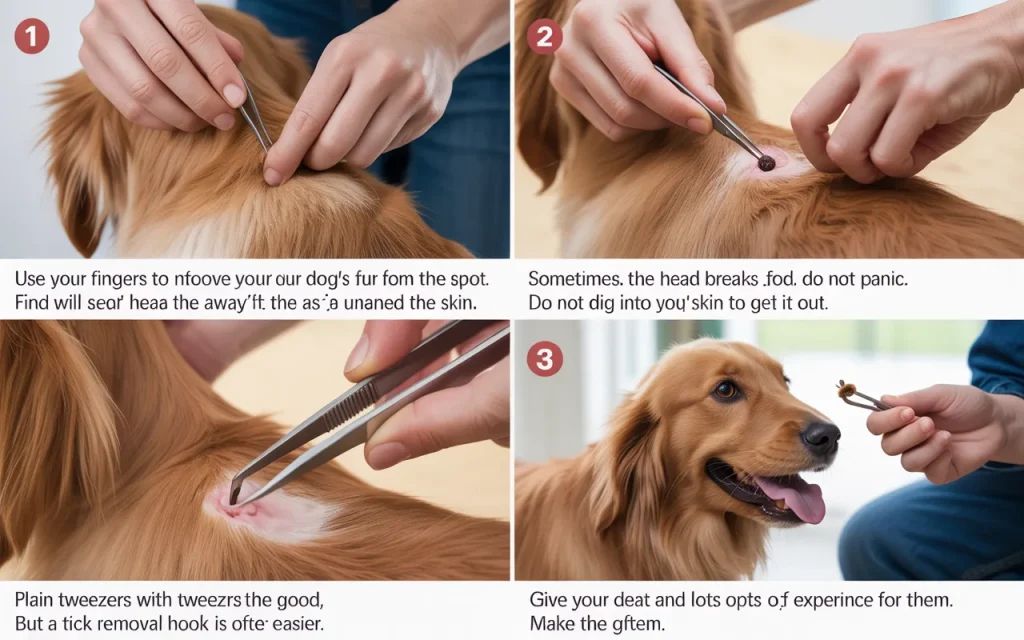
Use your fingers to move your dog’s fur away from the spot. Find where the tick is attached. You will see its body. The head is under the skin.
3. Use Your Tool Correctly
This is the most important part.
- With Pointed Tweezers: Grab the tick as close to your dog’s skin as you can. Do not grab the tick’s swollen body.
- With a Tick Hook: Place the notch of the hook under the tick, next to the skin.
4. Pull the Tick Out
Use steady, even pressure. Pull straight up. Do not twist, jerk, or crush the tick. It might take a little force. The goal is to get the whole tick out, head and all. If you twist, the head might break off.
5. Clean Up and Check
Drop the live tick into your small container with a bit of alcohol. This kills it. Then, clean your dog’s skin with more alcohol or soap and water. Check the spot to see if any tick parts are left. A small black dot could mean the head is still there.
6. Reward Your Dog
Give your dog a treat and lots of praise. Make this a good experience for them.
What to Do If the Tick’s Head Stays In
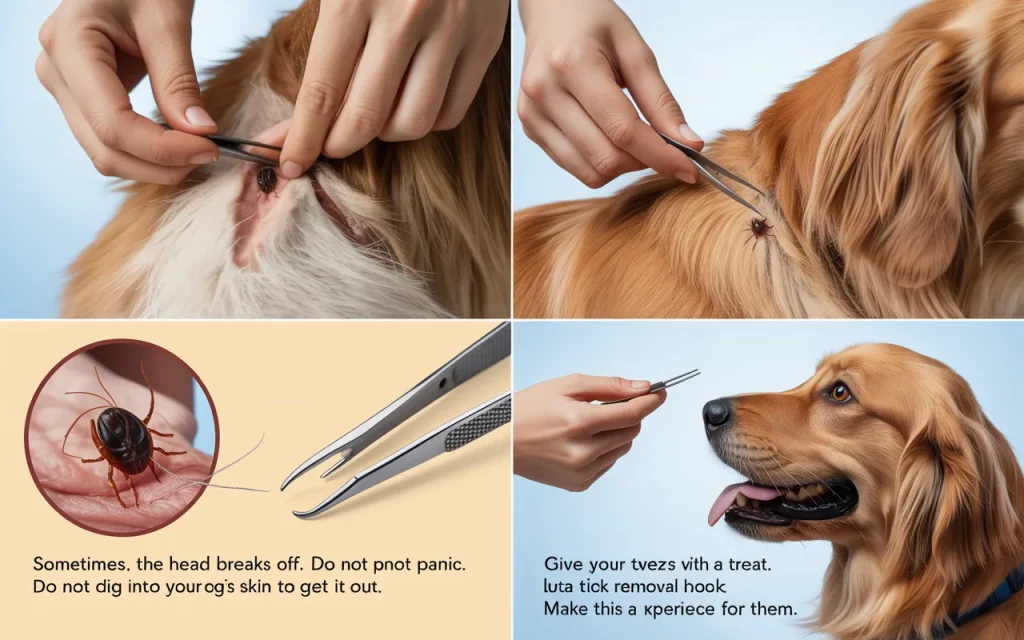
Sometimes, the head breaks off. Do not panic. Do not dig into your dog’s skin to get it out. This can cause more harm. Just keep the area clean. Watch it closely. Your dog’s body will often push it out like a small splinter. If you see redness, swelling, or pus, call your vet.
After Removal: Watch Your Dog
Your job is not done once the tick is out. You must watch your dog for signs of sickness.
| What to Watch For | What It Might Mean |
|---|---|
| Loss of appetite | A common sign of feeling unwell. |
| Lethargy or low energy | Your dog seems tired or weak. |
| Fever | Warm ears, shivering, or a hot nose. |
| Joint swelling or lameness | A sign of Lyme disease. |
| A rash or red patch at the bite | Skin infection or reaction. |
If you see these signs, tell your vet. Tell them your dog had a tick. It helps them know what to check for. You can also take a photo of the tick or save it in alcohol. Your vet might want to see what kind it was.
How to Stop Ticks Before They Bite
The safest tick is one that never gets on your dog. Prevention is key.
- Use Tick Prevention Medicine: Talk to your vet. They can suggest a chewable tablet, a spot on liquid, or a special collar. Use it all year, not just in summer.
- Check Your Dog Daily: After walks in grass or woods, feel your dog’s coat. Pay attention to ears, neck, feet, and between toes. Ticks love warm, hidden spots.
- Keep Your Yard Clean: Cut tall grass and clear brush. This makes your yard less friendly to ticks.
“The best doctor in the world is the veterinarian. He can’t ask his patients what is the matter, he’s got to just know.” – Will Rogers
This quote reminds us to trust our vets. They are experts in animal health. Ask them for the best prevention plan for your dog’s life and where you live.
Frequently Asked Questions
Q: Can I use my fingers to pull a tick off?
A: No. Using your fingers is not safe. You are more likely to squeeze the tick’s body. This can push germs into your dog. Always use a tool.
Q: What about ways like using soap or heat to make the tick let go?
A: Do not do this. Tricks like covering the tick with soap, oil, or heat are bad. They can irritate the tick. An irritated tick might spit more bad stuff into your dog. The safe way is to pull it out with a tool.
Q: How soon after a tick bite can my dog get sick?
A: It can take many hours for a tick to pass a disease. This is why checking your dog quickly after being outside is so helpful. Finding and removing ticks fast lowers the risk a lot.
Q: Are ticks only a problem in certain seasons?
A: Ticks are most active in warm weather. But they can be out any time the temperature is above freezing. Many vets now say to use prevention all year.
Q: Can I get sick from a tick on my dog?
A: Ticks can move from your dog to you. But you cannot get a disease directly from your dog. The tick has to bite you to make you sick. Still, handling ticks with care is smart. Use gloves or tools, and wash your hands after.
Conclusion
Finding a tick on your dog is scary. But now you know just what to do. You have learned how to remove ticks from dogs safely. Remember your kit, use steady pressure, and pull straight up. Then clean the area and watch your dog. Do not forget that daily checks and vet approved prevention are your best friends in this fight.
“Until one has loved an animal, a part of one’s soul remains unawakened.” – Anatole France
Our dogs are family. Keeping them safe from ticks is part of our love for them. With this knowledge, you can act with confidence. You can help keep your four legged friend happy, healthy, and by your side for many more walks to come. Share this guide with other pet owners. Let us all help each other take good care of our dogs.
Related posts
 Buy Dog Toys Online: Top 2026 Picks for Every Play Style
Looking to buy dog toys online? Explore our 2026 guide to the best durable chews, interactive balls, and plush favorites to keep your pup happy and…
 Buy Dog Food Online: Top 2026 Selections for Every Breed
Looking to buy dog food online? Explore our top 2026 recommendations for dry and wet formulas tailored to different breed sizes, sensitivities, and nutritional needs. Choosing…
 Buy a Dog Harness Online in 2026
Looking to buy a dog harness online? Explore our 2026 guide to finding the right fit, style, and control features for your dog's daily walks. Finding…